



Best Beginner Credit Cards of June 2026

Curated and reviewed by and
Updated June 12, 2026

A first credit card, or a first card after a setback, should build credit fast without gotchas. The best beginner cards charge no or low fees, report to all three bureaus, and give you a clear path up: secured cards with refundable deposits as low as $49, and starter cards that skip the deposit entirely. We weigh approval accessibility, total cost, and how quickly each card lets you graduate to something better.

Methodology: Our team manually curates these lists using publicly available card details, issuer terms, and MaxRewards data on rewards, benefits, fees, and card features. We compare cards based on how well they fit the category, weighing factors like earning potential, welcome offers, annual fees, credits, redemption options, and ongoing value. Rankings may change as offers, terms, and card details are updated.
Type
Showing 7 of 7 cards
Rewards valued by MaxRewards
Card
Welcome offer
Rewards
Annual fee

The picks, explained

One card for every starting point

Welcome offer
Rewards
Annual fee
$0
Credit
Good
APR
28.99%
FX fee
None
Our take

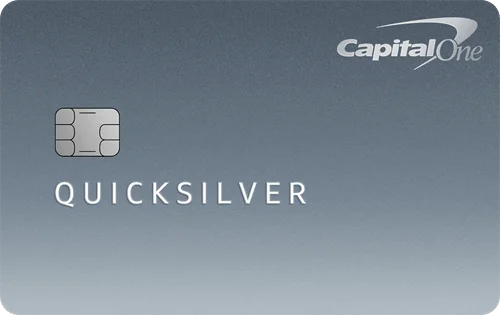
Most secured cards just build credit; the Quicksilver Secured does that while earning an unlimited 1.5% on every purchase. The refundable deposit starts at $200, there's no annual fee and no foreign transaction fee, and Capital One automatically reviews the account for an upgrade to the unsecured Quicksilver, which returns the deposit. It's the strongest starting point for anyone building or rebuilding from scratch.

Pros
  • Unlimited 1.5% cash back, rare on a secured card
  • Refundable deposit starting at $200
  • Automatic reviews to graduate to the unsecured Quicksilver
  • No annual fee and no foreign transaction fee
Cons
  • Deposit required up front
  • High ongoing APR makes carrying a balance costly
  • No bonus categories

Best for a low deposit

Capital One Platinum Credit Card
Welcome offer
Rewards

Annual fee
$0
Credit
Rebuilding
APR
28.99%
FX fee
None
Our take

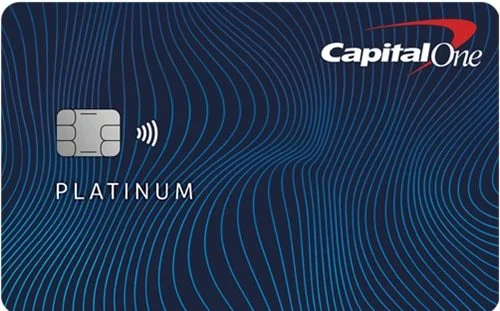
No card opens the door for less cash: qualified applicants get a $200 credit line for a refundable deposit of $49, $99, or $200. There's no annual fee and no foreign transaction fee, and Capital One considers you for a higher line in as little as six months, with a graduation path that returns the deposit. It earns no rewards, which is the trade for the lowest barrier to entry. It's for anyone who needs to start building credit with the least money down.

Pros
  • Deposit can be as low as $49 for a $200 starting line
  • Automatic credit-line and graduation reviews
  • No annual fee and no foreign transaction fee
  • Reports to all three credit bureaus
Cons
  • No rewards program
  • High ongoing APR if you carry a balance
  • Starting limit is low unless you deposit more

Best no-deposit starter from a big bank

Chase Freedom Rise®
Welcome offer
Rewards
Reward rates are estimated using MaxRewards' valuation of 1.25¢ per Ultimate Rewards point.
Annual fee
$0
Credit
Good
APR
25.24%
FX fee
3%
Our take

The Freedom Rise skips the deposit entirely and still earns a flat 1.5% on everything, with no credit history required. Holding at least $250 in a Chase checking or savings account boosts your approval odds, and Chase considers you for a credit-line increase in as little as six months. It's the first card for beginners who want to start at a major bank and grow into the Freedom and Sapphire family.

Pros
  • No deposit and flat 1.5% cash back from day one
  • Holding money at Chase improves approval odds
  • Credit-line increase consideration in as little as six months
  • Reports to all three credit bureaus
Cons
  • High ongoing APR with no intro period
  • 3% foreign transaction fee
  • Approval boost favors existing Chase customers

Best bare-bones credit builder

Platinum
Capital One

Platinum

Welcome offer
Rewards

Annual fee
$0
Credit
Good
APR
28.99%
FX fee
None
Our take

The Platinum is the classic first unsecured card: no deposit, no annual fee, and approval that reaches down to fair or limited credit. It earns no rewards, so its whole job is reporting your on-time payments to all three bureaus while Capital One reviews your line for an increase in as little as six months. There's no foreign transaction fee either, unusual at this level. It's for beginners who can skip the deposit but can't yet qualify for a rewards card.

Pros
  • No deposit and no annual fee
  • Accessible approval with fair or limited credit
  • Automatic credit-line review in as little as six months
  • No foreign transaction fee
Cons
  • No rewards program
  • High ongoing APR
  • Low starting credit limit
Welcome offer
Rewards
1%Everywhere
Annual fee
$0
Credit
Rebuilding
APR
16.49% - 25.49%
FX fee
None
Our take

For beginners still in school, no card earns better: 5% cash back in rotating categories you activate, on up to $1,500 in spending each quarter, with every dollar of first-year cash back matched at the end of the year. No credit score is required to apply, and there's no annual fee and no foreign transaction fee. It's the obvious first card for college students who want real rewards while they build.

Pros
  • No credit score required to apply
  • First-year cash-back match doubles everything you earn
  • No annual fee and no foreign transaction fee
  • Reports to all three credit bureaus
Cons
  • Must be a student to apply
  • 5% categories require quarterly activation and are capped
  • Discover acceptance is narrower abroad
Welcome offer
Rewards

Annual fee
$0
Credit
Rebuilding
APR
27.49%
FX fee
Our take

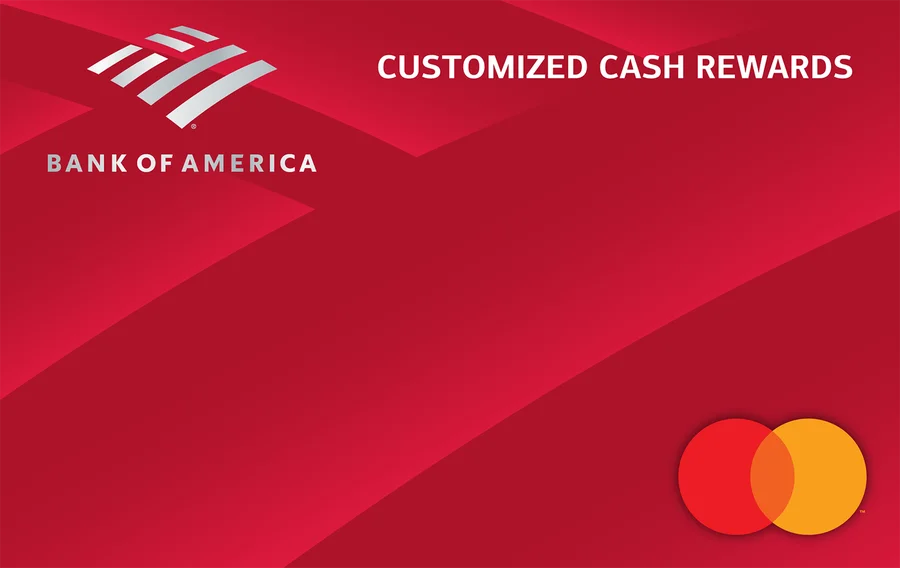
A secured card with the earning structure of a real rewards card: 3% in a category you choose and 2% at grocery stores and wholesale clubs, on up to $2,500 in combined bonus spending each quarter, with no annual fee. The refundable deposit runs from $200 to $5,000 and sets your limit, and Bank of America periodically reviews the account to return the deposit. It's for beginners who want their credit-building card to earn like the one they'll eventually upgrade to.

Pros
  • 3% choice category and 2% grocery earning on a secured card
  • No annual fee
  • Periodic reviews can return your deposit
  • Deposit flexibility up to a higher limit
Cons
  • Bonus rates share a combined quarterly cap
  • No fixed timeline for deposit return
  • 3% foreign transaction fee

Best upgrade path from secured

Citi® Secured Mastercard®
Welcome offer
Rewards

Annual fee
$0
Credit
Rebuilding
APR
FX fee
3%
Our take

The Citi Secured earns no rewards, but it has the clearest graduation story of any secured card: reviews for early graduation reportedly begin around nine months, within Citi's standard 18-month window, and the upgrade path leads to Citi's Diamond Preferred. The deposit runs from $200 to $2,500 with no annual fee. It's for beginners who want a defined route from a deposit today to a real big-bank card tomorrow.

Pros
  • Early graduation reviews reportedly begin around nine months
  • Defined upgrade path to a mainstream Citi card
  • No annual fee
  • Deposit choices from $200 to $2,500
Cons
  • No rewards program
  • Deposit required up front
  • High ongoing APR

FAQ

Beginner FAQ